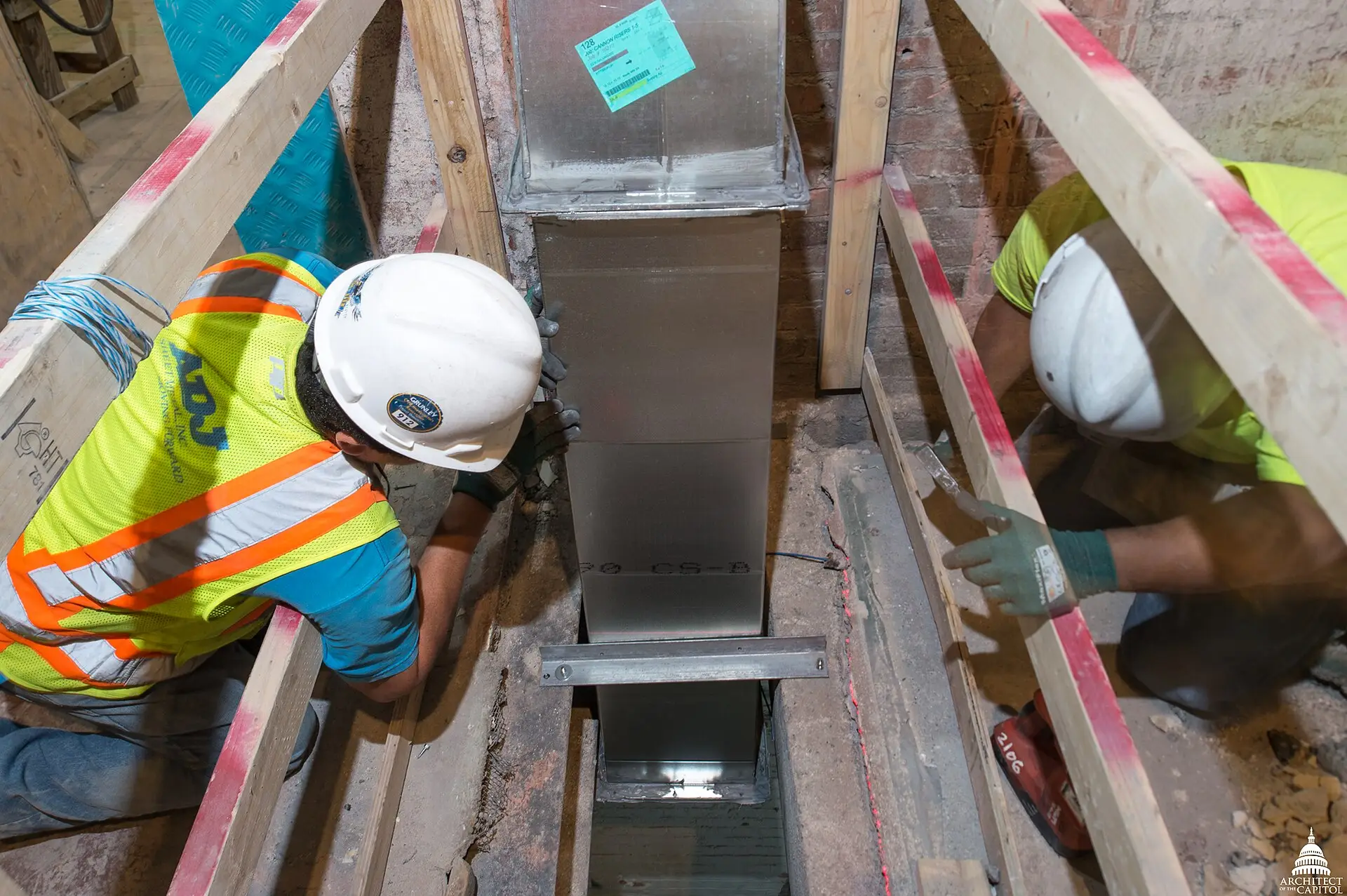
Leaky HVAC ducts dump heated (or cooled) air into attics, crawlspaces, and garages — then the furnace or air handler runs longer to keep rooms comfortable. Water-based duct mastic plus UL 181–listed foil / mastik tape (not cloth “duck” tape) is the durable DIY fix for accessible boots, plenums, takeoffs, and trunk joints. Find the leaks before you buy anything. Know where DIY has to stop (asbestos, combustion air, dryer vents), and decide between mastic yourself, skipping it, or hiring an Aeroseal crew.
Seal the holes that steal conditioned air
Duct sealing is not “more insulation.” It is keeping supply air in the duct and keeping attic/garage air out of the return so your existing equipment delivers heat where people live.
Sealing helps most when:
- You have forced-air ducts you can see in an unfinished basement, crawl, garage, or attic.
- Rooms far from the furnace stay cold while closer registers blast — or the system runs long with weak delivery (booster fans move air; sealed leaks help the air exist).
- You can see separated joints, crushed flex ends, missing or peeling tape, or daylight at boots and plenums.
- You’ve already handled basics on the checklist (setpoints, clean filter, obvious door drafts).
- Leaks dump into unconditioned space (attic, vented crawl, attached garage) rather than only into conditioned rooms.
Sealing helps less (or the wrong thing) when:
- Ducts are already mastic-sealed or Aerosealed and dry.
- Almost all leakage is inside finished walls/ceilings with no safe access.
- Asbestos-suspect wrap or crumbling old insulation is present — stop; hire a pro.
- You would block dryer vents, bath/range exhaust, or combustion make-up air.
- You treat cloth duct tape as a seal, or you wedge dampers closed and call that sealing.
- Bigger envelope leaks (attic hatch, rim joist, doors) still dominate runtime.
The reality: Building-science and utility programs often flag duct leakage as high-leverage when ducts run through unconditioned space. Treat that as motivation to inspect, measure, and seal safely — not as a promised 20–30% bill cut for your address. Climate, rates, duct location, and remaining envelope leaks decide the outcome.
Product types at a glance
| Type | Best when | Limitations |
|---|---|---|
| Water-based duct mastic (Hardcast Flex-Grip / Versa-Grip, RCD #9–class) | Accessible metal joints, boots, plenums, takeoffs; brushed over mesh on gaps | Needs clean, dry metal; cure time before burying; messy; not for dryer vents or combustion openings |
| UL 181A-P / UL 181B-FX foil or mastik tape (Nashua 324A, Foil-Grip 1402, Venture 1580–class) | Clean seams, flex-to-collar connections, finishing layers per listing | Won’t bridge big gaps alone; cloth duck tape is not a substitute |
| Fiberglass mesh / scrim (RCD Glasscoat–class adhesive mesh) | Gaps, holes, and irregular joints under a mastic coat | Drywall-only FibaTape is a last-resort stand-in — prefer duct-rated Glasscoat-class mesh |
| Pro aerosol (Aeroseal) / home-performance seal | Extensive hidden leakage; measured duct-blaster goals | Cost; hire qualified crew; still pair with accessible mastic where you can see joints |
| Skip / already sealed | Visible joints already mastic’d; no access; asbestos stop; budget better on envelope | Put money into filters, air sealing, or attic |
Rule of thumb: accessible boot/plenum/joint → mastic + mesh + listed foil; already sealed / no access → skip; extensive hidden ducts → pro Aeroseal / home-performance; cloth tape → never as the seal.
Check your home before you buy
Ordering a gallon of gray paste before you know where air escapes is how you get sticky returns and a half-sealed trunk. Do this once before you buy:
- Confirm forced-air access — unfinished basement, crawl, garage, or attic where you can reach trunks, boots, and the air-handler cabinet with light, PPE, and safe footing. Finished ceilings with no duct access → DIY mastic path is usually closed; consider pro testing.
- Power and safety first — shut off power to the furnace/air handler at the switch or breaker before you lean on cabinets or pull panels. Note gas valve location. If wrappers look like old asbestos paper, crumbling gray/white cloth, or suspect tape on vintage ducts — stop; do not scrape or mastic; hire qualified help.
- Walk every accessible trunk and boot (system off) — look for separated transverse joints, longitudinal seams, takeoff collars, boot-to-duct connections, crushed or disconnected flex, missing screws, and daylight. Photograph each leak class.
- Check the air handler / plenum — cabinet seams, filter door gasket, supply and return plenum joints, and the first few feet of trunk often leak more than far branches. Do not block intentional combustion-air openings in the mechanical room.
- Run the blower and smoke-test seams — restore power briefly with a clean filter in place. With doors closed as usual, move incense, tissue, or a smoke/fog pencil along joints. Smoke pulled in (return leaks) or blown out (supply leaks) marks work. Then power off again before sealing.
- Prioritize by location — supply leaks into attic / vented crawl / garage waste heat; large return leaks pull dirty, hot, or cold air and can worsen comfort and IAQ. Room-to-room leaks inside conditioned space matter less for the bill.
- Measure gap size and joint length — hairline seams vs ¼″+ gaps vs missing chunks. Gaps need mesh under mastic; clean seams may take listed foil/mastik tape plus a mastic skim. Estimate linear feet so one gallon and one mesh roll is enough — or plan a second trip.
- Decide DIY vs skip vs pro — countable accessible leaks, clear metal, no asbestos → mastic + listed foil DIY. Already sealed or zero access → skip. Hidden runs / whole-system leakage goal / unsafe crawl → Aeroseal or home-performance pro. Never “seal” by closing dampers hard or taping dryer vents shut.
What to do first
Do these first
- Disconnected or crushed flex at boots in attic or crawl — often the loudest failure mode.
- Plenum and first-trunk joints at the air handler — high pressure, high consequence.
- Supply leaks into unconditioned attic / crawl / garage under living space.
- Large return leaks pulling attic or garage air (dusty filters, weird smells, weak rooms).
- Pair with a clean filter and open, balanced dampers — sealing does not excuse a clogged filter or a closed bedroom damper you forgot.
These can wait
- Cosmetic seams inside a fully conditioned basement you already live in, when attic trunks still roar.
- Chasing every pin-hole while the attic hatch, rim joist, and exterior doors still whistle (air sealing, rim joist).
- Buying Aeroseal marketing before a simple boot reconnect you can see with a headlamp.
What not to do
- Do not use cloth duct tape as a duct seal — it fails; use water-based mastic and/or UL 181–listed foil/mastik tape.
- Asbestos-suspect wrap or insulation → stop; do not disturb; hire a pro.
- Do not seal dryer vents, range hoods, bath fans, or other exhaust paths — different job (dryer vent cleaning).
- Do not seal intentional combustion make-up air or starve mechanical-room returns in a way that creates CO risk — keep detectors current; when unsure, hire HVAC.
- Do not mash dampers closed and call it sealing — balancing ≠ sealing.
- Do not work live — power equipment off when sealing at cabinets and spinning blowers.
- Do not invent guaranteed % savings — utilities and ads love round numbers; your house is not a lab.
- Do not bury wet mastic under insulation before it skins/cures per the label.
Which one should you buy?
Walk the tree in order:
-
Asbestos-suspect material, unsafe access, or active CO / combustion worry?
→ Stop / hire a qualified pro. Do not DIY mastic over suspect wrap. -
Ducts already fully mastic-sealed or recently Aerosealed and dry?
→ Skip. Put budget into filters, envelope air sealing, or attic. -
Can you see and reach boots, plenums, and trunk joints safely?
→ Yes → DIY water-based mastic + fiberglass mesh on gaps + UL 181 foil/mastik tape on clean seams and flex collars.
→ No (finished ceilings, buried runs) → pro duct sealing / Aeroseal / home-performance if a test shows large leakage; otherwise skip DIY paste. -
Is leakage mostly a few visible joints vs whole-house hidden ductwork?
→ Few visible joints → DIY weekend.
→ Extensive hidden network + comfort still poor after visible seals → pro. -
Cold far room after sealing?
→ Sealing helps delivery; a register booster only after filter + dampers + obvious duct leaks are handled — boosters move air, they don’t create heat. -
Still unsure after the smoke walk?
→ Seal the worst accessible supply leaks into unconditioned space first (one gallon + mesh + foil), live a cold week, then decide on pro testing.
Sizes and specs
| Need | What to buy | Notes |
|---|---|---|
| Mastic | 1 gal water-based duct sealant (Flex-Grip 550 gray or Versa-Grip 102 white) | Brushable; indoor/outdoor ratings vary by product — read the pail. Home-center mastic is fine when Amazon stock is thin. |
| Foil / mastik tape | UL 181A-P and/or UL 181B-FX listed (Nashua 324A 2.5″×60 yd class) | Printed listing marks help inspectors. Not cloth duck tape. |
| Mesh | Adhesive fiberglass scrim ~3″ (RCD Glasscoat–class) | Bridge gaps under mastic. Drywall FibaTape is a last-resort stand-in only — say so if you use it. |
| Brush | Cheap disposable chip brushes | Mastic ruins nice brushes; buy a pack. |
| Leak finding | Incense, tissue, or smoke/fog pencil + LED headlamp | Headlamp frees both hands in crawls. |
| PPE | Disposable gloves, eye protection | Water-based still stains clothes and skin. |
Our picks
We earn a commission if you buy through these Amazon links, at no extra cost to you. Check size and fit on the listing before you order.
Best primary masticHardcast Flex-Grip 550 (1 gal gray)
Water-based Hardcast Flex-Grip 550 (304132) is a common DIY/pro duct sealant in a 1-gallon pail for metal joints, boots, and plenums. Brush it over mesh on gaps; skim clean seams.
- Hardcast Flex-Grip 550 water-based duct sealant, 1 gallon gray (304132) Check price on Amazon
Best white / alternate masticHardcast Versa-Grip 102 (1 gal)
Versa-Grip 102 (304153) is the white water-based sibling when you want a lighter finish coat or the gray pail is out of stock. Same job family — water-based duct sealant, not cloth tape.
- Hardcast Versa-Grip 102 water-based duct sealant, 1 gallon white (304153) Check price on Amazon
Best UL 181 foil tapeNashua 324A (2.5″ × 60 yd)
Nashua 324A is the classic UL 181A-P / UL 181B-FX printed foil tape for rigid and flex duct sealing per listing. Use on clean, dry seams and flex collars — not as a bridge over big holes (use mastic + mesh there).
- Nashua 324A cold-weather premium foil tape, 2.5″ × 60 yd (UL 181A-P & B-FX) Check price on Amazon
Best rolled mastik foil optionHardcast Foil-Grip 1402 (2″ × 100 ft)
Foil-Grip 1402 is a rolled mastic/foil sealant for joints when you want sticky foil with more “gum” than thin foil alone. Still not cloth duck tape; still not a substitute for brushing mastic into large gaps.
- Hardcast Foil-Grip 1402 rolled mastic duct sealant, 2″ × 100 ft Check price on Amazon
Best mesh under masticRCD Glasscoat adhesive fiberglass mesh (3″ × 180′)
Glasscoat-class adhesive-backed fiberglass mesh is made for reinforcing duct joints and insulation under mastics — prefer it over drywall-only FibaTape. Embed in mastic over gaps, then overcoat.
- RCD Corporation Glasscoat adhesive-backed fiberglass mesh, 3″ × 180′ Check price on Amazon
Optional leak finderRegin smoke pen
A handheld smoke/fog pencil makes return vs supply leak direction obvious along seams when the blower runs. Incense sticks work too if you already have them — don’t buy gear you won’t use.
- Regin S220 smoke pen with 3 wicks (about 30 minutes of smoke per wick) Check price on Amazon
Optional install helperschip brushes + LED headlamp
Disposable chip brushes spread mastic without crying over ruined bristles; an LED headlamp keeps both hands free in a crawl or attic.
- Pro Grade 2″ chip brushes, 96-pack Check price on Amazon
- Energizer Hard Case LED headlamp Check price on Amazon
What we left out
- Cloth duct tape — the anti-pattern; it is not a UL 181 duct seal.
- RCD #7 (B00BPPXLHI) — legitimate mastic family, but the gallon listing was unavailable at publish time; Flex-Grip / Versa-Grip cover the DIY pail need.
- Sparse or unverified foil SKUs — we kept Nashua 324A and Foil-Grip 1402 as primary verified foil/mastik options.
- Invented ASINs or “guaranteed 20–30% savings” claims.
Troubleshooting
| Symptom | Likely cause | Fix |
|---|---|---|
| Tape peels in a week | Cloth duck tape, dirty/oily metal, or cold damp surface | Remove failed cloth tape; clean metal; use mastic and/or UL 181 foil on dry substrate |
| Mastic cracks over a gap | Bridged a hole with paste alone | Embed Glasscoat-class mesh, then overcoat mastic to recommended thickness |
| Flex still leaks at collar | Hose clamp loose; tape only on insulation jacket | Seal the inner liner to the metal collar per flex instructions; clamp; mastic/mesh as needed; listed foil finish |
| Room still cold after sealing | Damper closed; dirty filter; envelope leak; duct too small | Open dampers; change filter; seal room drafts; consider booster only after airflow basics |
| Dusty returns / attic smell | Return leak pulling attic/garage air | Seal return joints and filter-door gasket; don’t leave filter slot open |
| Equipment short-cycles or CO alarm | Blocked combustion air / return path changes | Undo sealed make-up openings; hire HVAC; treat alarms as urgent |
| Mastic still soft when you bury ducts | Insufficient cure time | Follow pail dry/cure guidance before insulating or covering |
Basic install rhythm: power off → clean metal → mesh over gaps → brush mastic (≈20-mil wet film class per many labels) → listed foil on seams/flex as allowed → cure → restore power → re-smoke-test.
What this won’t fix
- A wrong-size or dirty filter, failed blower, or mischarged AC.
- Envelope leaks at doors, attic hatches, rim joists, and can lights (air sealing, recessed light covers, rim joist).
- Undersized ducts or closed dampers masquerading as “leaks.”
- Asbestos, structural rot, or mold in the crawl — remediation first.
- Guaranteed bill percentages from any Amazon gallon.
- Comfort in a room that needs zone heat strategy (oil-filled heaters) while the house sets back — sealing helps delivery; it doesn’t invent BTUs.
After you set it up
- Label the air-handler disconnect and keep a photo of sealed joints in your bill folder.
- Re-check the worst former leaks with smoke after the first cold week.
- Change filters on a real schedule (filter guide).
- Keep dryer vents clean and unsealed as intentional exhaust (dryer vent kits).
- Test CO detectors; never ignore new odors or soot after sealing near combustion appliances.
- Compare same-season kWh if you can — not one mild week vs a polar vortex.
Habits that help
- Setpoints and schedules on the priority checklist.
- Door and sash sealing with weatherstripping.
- Attic plane work when the ceiling still dumps heat (attic insulation, whole-house fan covers).
- Seasonal crawl vent covers so you’re not heating the outdoors under the floor while you seal ducts.
FAQ
Will sealing HVAC ducts lower my heating bill?
It can help when supply or return ducts leak conditioned air into attics, crawlspaces, garages, or wall cavities instead of rooms — the furnace runs longer to deliver the same comfort. Impact scales with how leaky and where the ducts are, climate, rates, whether the ducts sit in unconditioned space, filter and equipment condition, and whether bigger envelope leaks still dominate.
Mastic vs UL 181 foil tape vs cloth duct tape — which should I use?
For durable DIY seals on metal joints, boots, and plenums: water-based duct mastic (often brushed over fiberglass mesh on gaps) is the workhorse; UL 181A-P / UL 181B-FX listed foil or mastik tape (Nashua 324A–class, Foil-Grip / Venture mastik foil) finishes seams and flex connections per listing. Cloth “duck” tape is the anti-pattern — it dries out, peels, and is not a code-grade duct seal. Use mastic + mesh for gaps and irregular joints; use listed foil/mastik tape for clean seams and as a finish layer where the manufacturer allows.
Should I DIY duct sealing or hire Aeroseal / a home-performance pro?
DIY mastic + listed foil tape fits accessible boots, plenums, takeoffs, and visible trunk joints in unfinished basements, crawlspaces, and some attics after you power equipment off and clear safety checks. Hire Aeroseal-style aerosol sealing or a BPI-aware HVAC / home-performance contractor when most leakage is inside walls, finished ceilings, or long hidden runs you cannot reach safely — or when a blower-door / duct-blaster test shows big leakage and you want a measured whole-system seal. Skip DIY if asbestos-suspect wrap, combustion-air risk, or unsafe access stops you.
Is it safe to seal ducts near a furnace or water heater?
Power the equipment off before you work. Do not seal dryer vents, range or bath exhausts, or intentional combustion make-up air openings. Be careful sealing return paths in mechanical rooms — starving combustion appliances of air can create carbon monoxide risk. Keep CO detectors current. If ducts, wrappers, or insulation look like old asbestos paper or crumbling gray/white wrap, stop and hire a qualified abatement/HVAC pro — do not scrape or mastic over suspect material.
How do I find duct leaks before buying mastic?
With the system off, walk accessible trunks, boots, and the air handler cabinet for separated joints, crushed flex, missing tape, and daylight. Then, with the blower running (filter in place, doors closed as usual), use incense, a tissue, or a smoke/fog pencil along seams — smoke pulled in or blown out marks leaks. Prioritize supply leaks into attics/crawls/garages and big return leaks that pull dirty attic or garage air. Photograph each leak class before you cart a gallon of mastic.
How much mastic and foil tape do I need for a typical DIY job?
A one-gallon tub of water-based mastic plus a roll of UL 181 foil tape and a roll of adhesive fiberglass mesh covers many weekend basement/crawl boot-and-joint jobs; larger trunk campaigns or attic runs may need a second gallon and more mesh. Coverage depends on joint length and how thick you brush (manufacturers often target roughly 20-mil wet film on brushed joints). Buy mesh for gaps you cannot bridge with tape alone. Keep a chip brush and disposable gloves in the cart — leftover gray mastic is normal; drying time before insulating or burying ducts matters more than emptying the pail.
Related reading
- Heat pump aux heat raising your bill? — leaky ducts mean longer runtimes and more backup-strip calls
- Thermal camera vs infrared thermometer — see supply runs and leaky joints; shiny foil-tape reading caveat
- HVAC air filters (MERV & efficiency) — clean airflow before you chase every seam
- Register booster fans for cold rooms — move existing heat after leaks and filters are handled
- Air sealing: caulk, foam & outlet gaskets — building envelope holes ducts can’t fix
- Rim / band joist insulation for basements — foundation–floor leaks near basement trunks
- Attic insulation approaches — attic plane vs duct leaks in the same attic
- Recessed light covers for attic air sealing — can-light bypasses beside attic ducts
- Crawl space vent covers for winter — seasonal under-floor air washing
- Dryer vent cleaning kits — clean exhaust paths; never mastic them shut
- Furnace humidifier water panels — winter comfort after airflow is sane
- Best weatherstripping & draft stoppers — door/sash leaks after duct work
- Lower your electric bill: priority checklist — this-month order of operations
- Start Here — full suggested reading order
Bottom line
For US homes with accessible forced-air ducts leaking into attics, crawls, or garages, the practical DIY path is measure and smoke-test → power off → mesh gaps → brush water-based mastic → finish with UL 181 foil/mastik tape — never cloth duck tape, never over asbestos-suspect wrap, never sealing dryer vents or combustion air. Hire Aeroseal / home-performance when leakage is extensive and hidden. Stack with filters, envelope air sealing, and attic work when those still dominate runtime. Amazon links may earn a commission as an Associate (disclosure). Return to Start Here or the priority checklist for order of operations.
Some links on this page go to Amazon, and we earn a commission if you buy, at no extra cost to you. Prices and savings vary by home and utility rate. More in our disclosure.