Heating season is when stack effect shows its hand: warm indoor air rises, leaks through the attic floor into a cold vented attic, and your furnace or heat pump runs longer to keep up. Thin, uneven, or missing attic insulation is one of the highest-leverage envelope gaps in many US homes — heat escapes through the ceiling plane all winter, and the same path dumps attic heat into living space in summer. Adding depth and covering gaps slows that heat flow — without inventing a dollar savings figure for your address.
Check how deep your insulation is before buying anything. Then compare blown cellulose, fiberglass, mineral wool and hiring a pro, put baffles in first, and know the common ways DIY jobs go wrong.
When attic insulation moves the heating bill
Attic floor insulation sits between conditioned living space and a typically vented attic. In winter, heat wants to leave the house through the ceiling; stack effect also pushes warm air through any bypasses (hatches, recessed lights, plumbing chases, top plates). In summer, a hot attic radiates and conducts heat downward. More R-value and better coverage slow that transfer — but only if air leaks aren’t short-circuiting the insulation and soffit vents aren’t choked.
Insulation helps most when:
- Joists are still visible, or depth is clearly below ENERGY STAR / IECC targets for your climate zone.
- Rooms under the attic never hold setpoint despite reasonable HVAC schedules.
- You’ve already sealed (or will seal) big attic-floor leaks — hatches, can lights, chase openings, top plates.
- You heat or cool with electricity (resistance heat, heat pump, or electric A/C) so reduced runtime shows up in kWh.
- Coverage is patchy at eaves, around platforms, or after prior DIY “islands” of batts.
Insulation helps less when:
- The attic is already near recommended R-value for your climate and evenly covered.
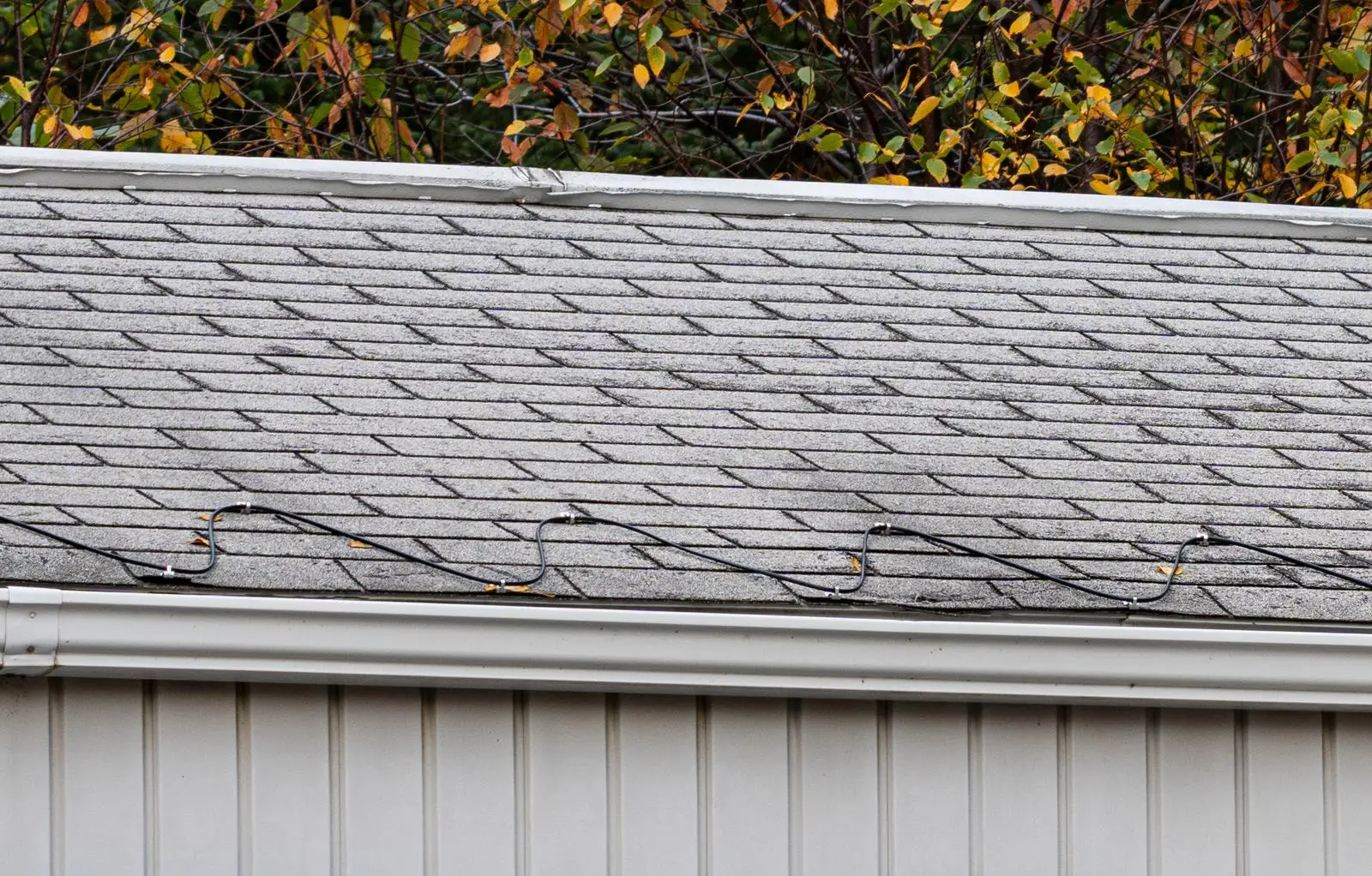
- Moisture, ice dams, or roof leaks need fixing first — burying problems with fluff makes them worse. Ice dams are usually a sign of warm air leaking into the attic; our roof heat cable guide explains why sealing those leaks beats running cable all winter.
- Your HVAC is failing, undersized, or poorly charged — insulation won’t fix mechanical defects.
- You skip air sealing and only top-dress batts over major bypasses.
- The “hole” is really the pull-down stair or thin hatch — a stair/hatch cover may beat a pallet of batts alone.
The reality: Insulation slows heat flow. Savings scale with how under-insulated you were, your climate, rates, and HVAC efficiency — not with a brand slogan. Agency charts on recommended attic R-values are motivation to measure, not a promise for your address.
Approaches compared (pick the job, not the ad)
| Approach | Best fit | Watch-outs |
|---|---|---|
| Add unfaced fiberglass batts / rolls over existing | Open attic, joists accessible, modest top-up | Don’t compress; keep baffles clear; match width to framing; avoid a second vapor retarder in the wrong place |
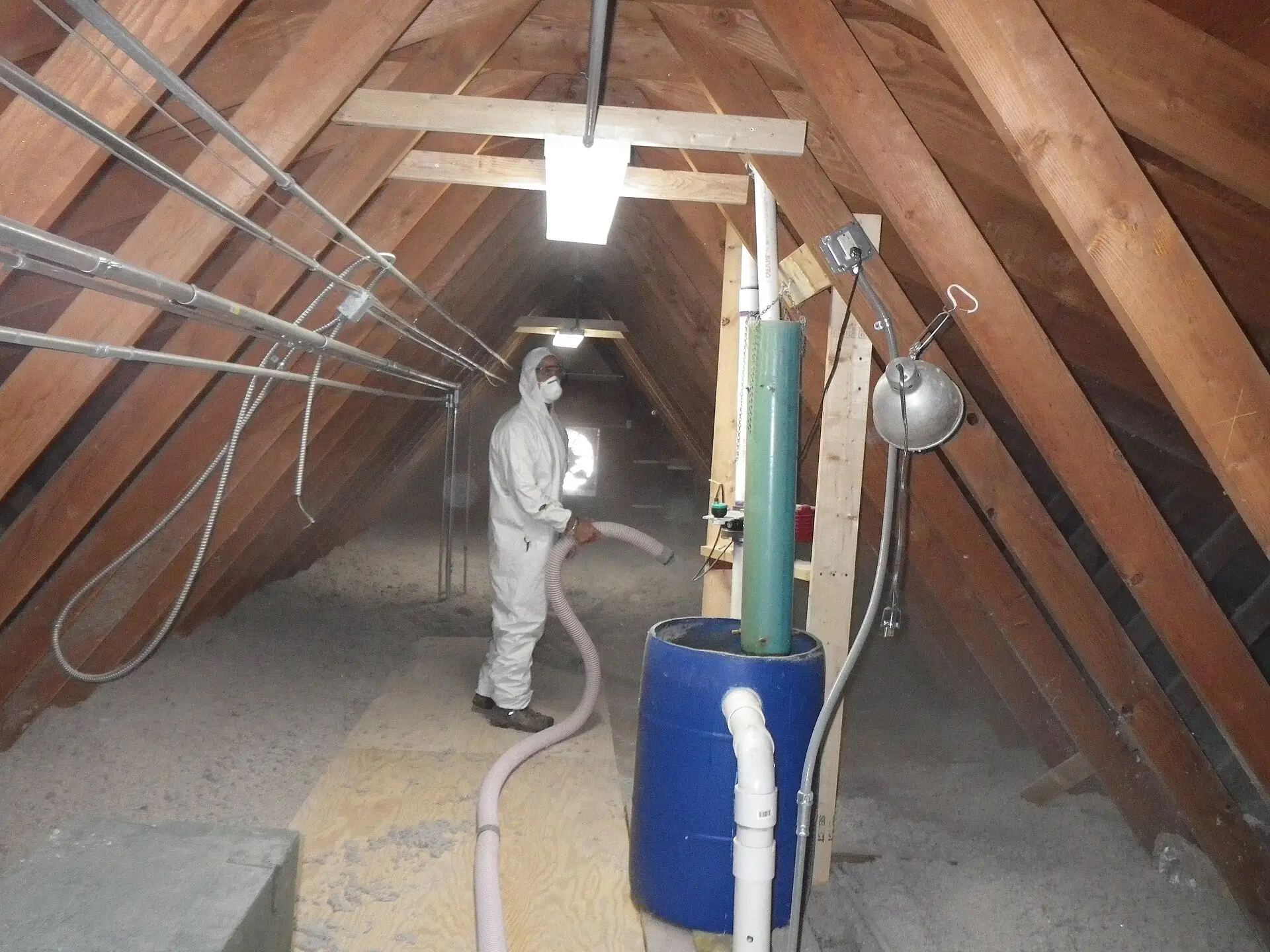
| Blown-in cellulose or fiberglass | Uneven existing fill, lots of obstacles, want even depth | Needs machine + depth markers; rental or pro; keep baffles and can-light clearances |
| Mineral wool (stone wool) batts | Fire/sound priorities; denser fill that resists settling | Heavier, pricier; local big-box often smarter than parcel for full attics |
| Dense-pack walls / closed cavities | Retrofit wall cavities | Different skill than open-attic top-up — usually pro |
| Closed-cell spray foam at roof deck | Creating an unvented / conditioned attic (design-driven) | Pro job; changes attic temperature, duct strategy, fire/code details |
| Open-cell foam | Some conditioned-attic designs | Moisture and vapor control must be designed — not a weekend impulse buy |
| Hatch / stair cover first | Pull-down stairs or thin scuttle is the obvious plume | Cover before burying a leaky access under new fill — see stair covers |
Rule of thumb: If you only need more depth on an open attic floor and can keep soffit vents open, carefully installed unfaced rolls or professionally blown cellulose are common paths. If you want to foam the roof deck, treat that as a designed system with a qualified contractor — not a cart checkout.
Check your home before you buy
Ordering three rolls of the wrong width — or blowing fill that plugs the soffits — is how you get a dusty return and a wet roof deck. Do this once before you click Buy or schedule a crew:
- Confirm attic type — open floor joists with a vented attic vs cathedral / vaulted ceilings vs already-foamed roof deck. This guide focuses on open attic floors. Vaulted assemblies and unvented foam attics need different detailing.
- Measure depth in several spots — gently (don’t compress loose fill). Note inches at eaves, mid-span, and near HVAC platforms. Convert rough depth to approximate R-value using material type (fiberglass, cellulose, mineral wool differ). Photograph a tape measure in the fill.
- Map coverage gaps — bare joist bays, thin spots at eaves, gaps around chimneys (with proper clearances), recessed lights, and dropped soffits.
- Check ventilation paths — soffit intakes should not be blocked; install or clear baffles / rafter vents so new fill can’t choke airflow to the ridge or gable vents.
- Air-seal first — attic hatches and pull-down stairs (cover kits), can lights (recessed light covers — IC vs non-IC first), plumbing/electrical penetrations, top plates, and chase openings. Pair with caulk, foam & outlet gaskets and weatherstripping downstairs.
- Look for moisture and wiring red flags — staining, musty smell, damp sheathing, past ice dams, knob-and-tube, damaged romex, or vermiculite that may contain asbestos. Pause DIY if you see active water or suspect hazardous materials.
- Note access and labor reality — pull-down stairs vs scuttle; heat stress risk; whether you’ll walk joists safely. Full-attic jobs often belong at a local supplier with delivery + machine rental or a weatherization contractor — Amazon is handy for PPE, baffles, hatch kits, and a few top-up rolls, not always for a whole-house blow.
Wrong depth target or blocked soffits = comfort problems that look like “insulation failed.” Measure twice; photograph once.
Rough depth → R-value (order-of-magnitude only)
Use manufacturer charts for the product you buy. Rough DIY rules of thumb for loose-fill / batt depth (not a substitute for labeled R):
| Material (typical) | About R-30 depth | About R-49 / R-60 class |
|---|---|---|
| Fiberglass batts / rolls | ~9–10″ (product-labeled) | Stack or higher-R products per label |
| Blown fiberglass | Check bag chart — often deeper than batts for same R | Follow depth markers from the machine chart |
| Blown cellulose | Check bag chart — denser, different inches/R | Follow pro/machine chart; don’t invent inches |
| Mineral wool batts | Product-labeled (e.g. R-30 ~7¼″ class for some Comfortbatt SKUs) | Layer per manufacturer attic guidance |
Climate targets vary (colder zones often want higher attic R). Look up current ENERGY STAR / IECC recommendations for your climate zone — we don’t invent a single national number here.
What to do first
Do these first
- Visibly empty or near-empty joist bays under frequently used rooms in heating season — the ceiling is basically a radiator into the attic.
- Patchy coverage after prior DIY (islands of batts, thin eaves, gaps around platforms) when the rest of the envelope is already in better shape.
- Leaky pull-down stairs / thin hatches you’re about to bury — seal and cover the access before or while you add depth (stair & hatch guide).
- Big attic-floor bypasses (chases, can lights, top plates) — air sealing often beats another inch of fluff; see recessed light covers and air sealing.
- Cold-climate homes with clear under-target depth and electric heat or heat-pump heating — reduced runtime shows up on the bill when the gap was real.
These can wait
- Attics already near climate-target R-value with even coverage and no plume at the hatch.
- Buying “more R” marketing while soffit vents are blocked or ice dams are active.
- Foaming the roof deck on impulse because a salesperson pitched an unvented attic — that’s a designed system.
- Obsessing over attic depth while exterior doors, garage seals, and dirty HVAC filters still dominate runtime (checklist).
- Parcel-shipping an entire attic’s worth of batts when local pickup is cheaper and less crushed.
What not to do
Read this before working in the attic.
- Walk only on joists or decked flooring. Stepping between joists can put a foot through the ceiling.
- PPE: eye protection, gloves, long sleeves, hooded coveralls, and a properly fitted respirator rated for the dust you’re generating (fiberglass and cellulose irritate skin and lungs). Coveralls are not a substitute for a respirator.
- Heat stress: attics can be extreme — hydrate, take breaks, avoid mid-day summer work, keep a spotter who knows you’re up there.
- Lighting and footing: charged light, clear path, no rushing with rolls on your shoulder.
- Don’t block soffit intake or required attic ventilation. Install baffles first; never bury eaves so air can’t move from soffit toward ridge/gable vents.
- Combustion and CO: don’t smother labeled combustion-air paths; maintain working CO alarms on living floors. If you smell gas or suspect combustion-air conflicts, stop.
- Electrical and knob-and-tube: damaged wiring or suspected knob-and-tube → stop and call a pro before burying circuits under new fill.
- Recessed lights and heat sources: maintain clearances; use covers rated for contact/insulation where required; don’t pack insulation against non-IC fixtures.
- Chimneys and flues: keep required clearances; don’t stuff combustibles against masonry or metal flues.
- Moisture, pests, roof leaks, ice dams: fix water and ventilation problems before adding depth. Don’t “seal in” wet insulation.
- Vermiculite / asbestos suspicion: stop; get professional testing/abatement guidance before disturbing.
- Confined space / falls: ladders, hatch openings, and pull-down stairs are fall hazards — don’t treat the opening as a play feature; secure access.
- Spray foam chemistry: DIY foam kits for whole roof decks are not the same as a trained crew with ignition/fire detailing — call a pro for foam systems.
If the attic shows moisture, pests, structural issues, or hazardous materials, remediate before adding insulation. Safety beats a cozy R-value sticker.
Which one should you buy?
Use this before you cart a pallet or book the cheapest foam quote:
- Is the biggest obvious hole the pull-down stair or thin scuttle? → Cover/seal the access first (attic stair & hatch covers), then revisit depth. Don’t bury a chimney in the ceiling plane.
- Active moisture, ice dams, vermiculite, knob-and-tube, or damaged wiring? → Call a pro (and testing/abatement as needed). Do not DIY top-dress over red flags.
- Want an unvented attic / foam at the roof deck / dense-pack walls? → Hire a qualified contractor. That’s a designed system, not a weekend Amazon order.
- Open attic, uneven existing fill, lots of wires/obstacles, want even depth across the whole floor? → Blown cellulose or blown fiberglass (pro or experienced DIY with rented machine + depth markers). Keep baffles clear.
- Open attic, joists accessible, modest top-up, you can crawl carefully? → Unfaced fiberglass rolls/batts perpendicular over existing (don’t compress; match width). Prefer local pickup for volume.
- Fire/sound priority, willing to pay more, local stock available? → Mineral wool batts layered per manufacturer attic guidance — still keep baffles and clearances.
- Already near climate-target R and even coverage? → Stop shopping insulation. Put budget into air sealing, doors, filters, or HVAC maintenance (checklist).
- Renting? → Usually a landlord/owner decision. Document depth with photos and propose a cost share rather than DIY without approval.
Measure tip: Photograph depth with a tape in the fill, note joist spacing (16″ vs 24″ O.C.), and count baffle bays at the eaves before you buy width-specific rolls or schedule a blow.
Troubleshooting
| Symptom | Likely cause | Fix |
|---|---|---|
| Rooms still won’t hold heat after adding depth | Major bypasses still open (hatch, cans, chases); HVAC issue | Air-seal (caulk/foam, stair cover); check filters and equipment |
| Condensation, musty smell, or ice dams after insulating | Blocked soffit vents; buried eaves; roof leak; wrong foam strategy | Clear/install baffles; fix leaks; don’t add more fill over wet sheathing — call a pro if unsure |
| Batts look “done” but feel thin | Compressed to fit; wrong product thickness; walked into fill | Replace compressed sections; never mash R-value to shoehorn space |
| Blow settled unevenly / bare spots at eaves | No depth markers; machine technique; insulation drifted into soffits | Revisit with markers; install baffles/air dams at top plates; consider pro re-blow |
| Itchy skin / coughing after DIY | Inadequate PPE; disturbing old fibers | Upgrade respirator + coveralls; shower and launder separately; improve containment |
| Recessed lights hot / tripped breaker concerns | Insulation packed on non-IC fixtures | Restore required clearances; use rated covers; electrician if unsure |
| Hatch still dumps cold air into hallway | Stair/scuttle never sealed | Install cover + weatherstrip — hatch guide |
| Parcel rolls arrived crushed / wrong width | Shipping bulky insulation; measured trim not joist bay | Prefer local pickup; rematch 15″ vs 23″ width to framing |
| Contractor quote is foam-only upsell | Sales path toward unvented attic | Get a second opinion; ask for open-attic blow + air seal option if that fits your house |
| Bill didn’t drop after one mild week | Weather and behavior dominate short windows | Compare same-season kWh; note install date; pair with thermostat discipline |
Recheck after the first cold week — feel for drafts at the hatch and look at eaves from the attic with a light. Pair with free habits in the electric bill checklist — perfect attic depth while running heat with dirty filters and open door gaps still wastes money.
Our picks
We earn a commission if you buy through these Amazon links, at no extra cost to you. Check size and fit on the listing before you order.
Scope note: Full-attic material volume is often cheaper and less crushed via local big-box or insulation supplier delivery. Use Amazon for PPE, baffles, hatch kits, weatherseal, and small top-up rolls when the ASIN matches what you measured. Verify width, facing, and coverage on the listing before checkout — stock rotates.
Best before you bury the eavesrafter / soffit baffles
Best for: Preserving intake airflow so new batts or blown fill don’t choke soffit vents — critical for roof health and eave performance.
Watch-outs: Match baffle width to rafter/truss spacing (commonly 16″ or 24″ O.C.). Staple to the roof deck so the chute stays open past the top plate; add an air dam / block so loose fill can’t spill into the soffit. Install before blowing or packing the eaves.
- StarterBaffle 2-in-1 attic rafter baffles (16″ & 24″ class, multipack) Check price on Amazon
Best PPE before you crawlhooded coveralls
Best for: Keeping fiberglass and cellulose off skin so you finish air-seal and depth work carefully instead of rushing itchy and miserable.
Watch-outs: Coveralls are not a substitute for a respirator. Size for mobility on joists. Dispose of heavily contaminated PPE responsibly.
- Tyvek-style hooded coveralls (size carefully) Check price on Amazon
Best dust protectionN95 respirator (fiberglass / insulating use)
Best for: DIY attic work that stirs fibers and dust — use a NIOSH-approved N95 (or better) with a seal that fits your face; follow manufacturer use limits.
Watch-outs: Clean-shaven seal matters for disposable respirators. N95s are for certain particles — not for gases, spray-foam isocyanates, or asbestos abatement. If you suspect asbestos/vermiculite, stop and get pros. Replace when damaged, soiled, or breathing resistance rises.
- 3M 8210 N95 particulate respirator, 20-pack Check price on Amazon
Best companion before adding depthhatch / door weatherseal
Best for: Sealing hatch stops and related door leaks so new attic R-value isn’t short-circuited by a thin, leaky access panel. Pair with rigid foam on the attic side of a plain scuttle when appropriate.
Watch-outs: Maintain fire ratings where required. Don’t block required access. For pull-down stairs, prefer a purpose-built cover kit (below).
- Door sweep / weatherstrip kit (hatch edges / related leaks) Check price on Amazon
If the “hole” is the pull-down staircover kits (cross-sell)
Best for: Homes where the hallway plume is the stair itself — seal/insulate the access before or while you top-dress the attic floor. Measure rough opening (22×54 vs 25×54 are not interchangeable).
Watch-outs: Full sizing, clearance, and troubleshooting live in the attic stair & hatch guide.
- Battic Door 22×54 Better stair cover Check price on Amazon
- DGSL zippered attic stair cover 25×54×11 Check price on Amazon
Blown cellulose / mineral wool / spray foam
Blown cellulose or blown fiberglass: Usually best sourced as bagged material + rented blowing machine from a local supplier, or installed by a weatherization contractor who sets depth markers and protects baffles. Amazon parcel for a whole-attic blow is rarely the smart logistics path — we are not inventing a cellulose ASIN here; buy local or hire out.
Mineral wool batts (e.g. ROCKWOOL Comfortbatt class): Excellent density, fire, and sound characteristics for some attic/floor applications; often stocked at big-box pro desks. Confirm R-value, width, and attic layering instructions on the bag. Parcel shipping full-attic quantities is heavy — prefer local pickup. (No ASIN asserted here — verify current listings in-cart if you shop online.)
Spray foam at the roof deck: Pro-only for whole-attic conversions. Ask about ignition barriers, combustion air, duct strategy, and whether an open-attic air-seal + blow would meet your goals cheaper.
Air-sealing materials while you’re up there
While the hatch is open, seal obvious bypasses with the products you already trust from the air-sealing guide — e.g. acrylic caulk, low-expansion foam, and outlet gaskets on exterior walls — rather than only adding fluff over leaks.
Install habits that keep attic work from backfiring
- Air seal first, then add depth. A high-R attic with an open chase still dumps conditioned air into the vented attic.
- Baffles before fill. Protect every soffit bay you’ll bury; add top-plate dams for blown jobs.
- Unfaced over existing in many top-ups — avoid sandwiching a kraft face in the wrong place; follow climate/code vapor guidance.
- Don’t compress. Compressed fiberglass is thinner R, not a clever fit trick.
- Maintain clearances at chimneys, flues, and recessed lights — label or flag them before the blow so you don’t lose them in a sea of cellulose.
- Depth markers for blown jobs — install before you pull the trigger; aim for even coverage, not just a thick pile near the hatch.
- Document install date, approximate added inches, and product type in your bill folder for same-season comparisons later.
- Revisit after the first cold week — check hatch drafts, eave baffles, and any damp spots before you assume you need yet another inch.
After insulation: prove the bill story
- Note install date and approximate added depth in a bill folder.
- Compare same-season kWh (weather-normalized if you can) — not one mild week vs a heat wave.
- Pair with smarter controls: a disciplined smart thermostat and optional whole-home monitor show whether runtime actually dropped.
- Keep filters clean; insulation doesn’t replace HVAC maintenance (filter guide).
- If the hallway under the stairs is still a cold plume, finish the hatch/stair cover — depth alone won’t fix that bypass.
When to call a pro (seriously)
Call a qualified insulation / weatherization contractor or BPI-aware energy auditor when:
- You have active moisture, mold concerns, or recurring ice dams.
- There is knob-and-tube, damaged wiring, vermiculite, or unclear electrical in the attic.
- You need dense-pack, spray foam, or cathedral/vaulted assemblies.
- The attic has complex chases, shared walls, or multifamily fire-separation details.
- You’re uncomfortable on ladders, with heat stress, or with respirator fit.
- Quotes conflict (foam upsell vs simple blow) and you want a second set of eyes on the right system for your roof.
Pros also help with rebate paperwork (utility or IRA-era programs where available) — verify current incentives with your utility; we don’t invent rebate amounts here.
Related reading
- Thermal camera vs infrared thermometer — check for missing insulation and ceiling bypasses from inside
- Attic stair & hatch insulation covers — seal the hatch before (or with) adding depth
- Recessed light covers for attic air sealing — fire-safe can covers before you bury non-IC fixtures
- Air sealing with caulk, foam & outlet gaskets — bypasses under the insulation matter first
- Rim joist / band joist insulation for basements — foundation–floor band is a different plane from attic depth
- Best weatherstripping and door draft stoppers — living-space drafts while you plan attic work
- Fireplace & chimney draft blockers — another stack-effect leak path
- Garage door weather seals — attached-garage envelope leaks
- Priority checklist — when attic projects beat gadget buys
- Start Here — suggested reading order
- DIY HVAC duct sealing (mastic + UL 181 foil tape) — attic duct leaks vs attic plane insulation — seal accessible boots too
Bottom line
Attic insulation earns its keep when you air-seal first, protect ventilation with baffles, hit climate-appropriate depth without compressing fill, and stay honest about DIY limits. Call a pro for moisture, foam, dense-pack, vermiculite, or electrical red flags. If the pull-down stair is the plume you feel every morning, cover that hole before you bury it. Same for recessed cans — use fire-safe covers before you blow over non-IC fixtures. Shop materials with eyes open — Amazon is handy for PPE, baffles, hatch kits, and some rolls; full-attic blows often belong at a local supplier or contractor. Next steps: Start Here, the electric bill checklist, or attic stair covers.
Some links on this page go to Amazon, and we earn a commission if you buy, at no extra cost to you. Prices and savings vary by home and utility rate. More in our disclosure.