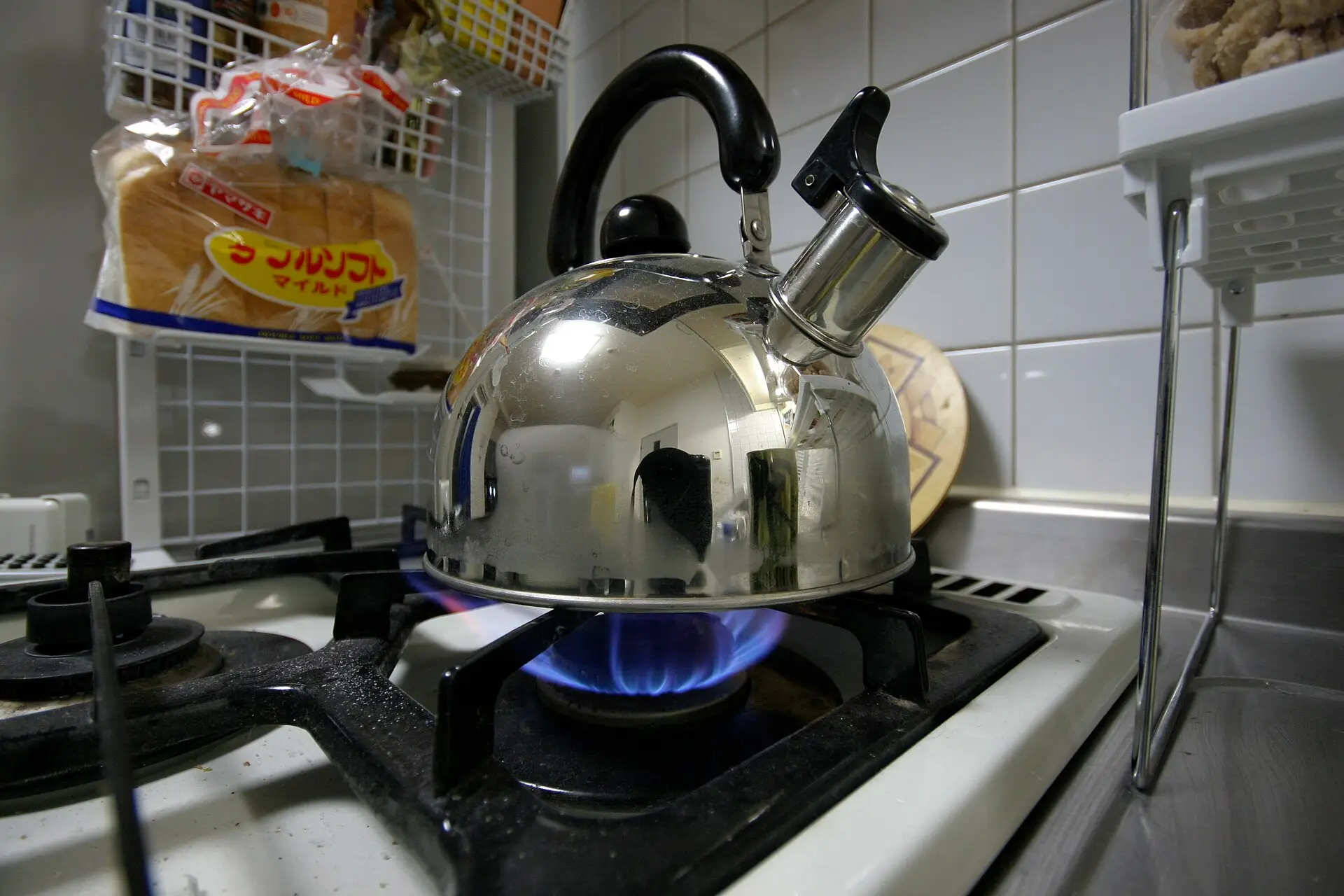
October is chili, stew, and pot-roast season, and it’s when people start asking whether the slow cooker, the Instant Pot, or the oven is the cheap way to cook a big pot of food. The honest answer is that the gap between them is usually cents per meal, not dollars. The most wasteful common habit is running a big oven for a single pot, and a pressure cooker usually uses the least. Below is the math at three common electric rates, what popular dishes actually cost, a few example households, and when buying a new cooker makes sense.
The short version
- A pressure cooker usually uses the least electricity per pot, often 5–10 cents at $0.17/kWh.
- A slow cooker is close behind: roughly 17–34 cents for an all-day cook.
- A single-pot electric oven braise costs the most, roughly 35–70 cents.
- A lidded pot on a low gas flame is often cheapest of all if you already have gas.
- The ingredients cost far more than the energy. A $12 pot of chili costs maybe 25 cents to cook.
- The cheapest wins come from habits: batch the oven when it’s on, keep the lid on, and skip long Warm holds.
Why the appliances use different amounts of energy
Every braise needs the food brought up to a simmer and held there. What you pay for is everything else.
- An oven heats a large insulated box (often 4–5 cubic feet), plus racks and walls, then loses heat through the door, the vent, and every peek. Bake elements typically draw 2,000–3,500 W while they’re on.
- A slow cooker heats only a ceramic crock and a lid sitting on the food, with a small element, usually around 150–300 W. Once it’s hot, it cycles.
- An electric pressure cooker uses a 700–1,000 W element, but a sealed pot under pressure cooks at about 240–250°F, so the dish finishes in a fraction of the time.
- A stovetop pot depends on the burner and the lid. A lidded Dutch oven on a low gas or induction setting can be cheap; an uncovered pot on a big electric coil is not.
What each one uses per hour
These are rough, commonly observed ranges, not ratings for any one model. They’re here so you can estimate a recipe you cook often.
| Appliance and setting | Typical draw while running | Approx. energy per hour |
|---|---|---|
| Slow cooker, low (6–7 qt, after heat-up) | 150–250 W, cycling | ~0.1–0.25 kWh |
| Slow cooker, high | 200–300 W, cycling less | ~0.2–0.35 kWh |
| Slow cooker or Instant Pot on Warm | 30–100 W average | ~0.03–0.1 kWh |
| Instant Pot 6 qt, coming to pressure | ~1,000 W, full power | ~0.15–0.25 kWh for a 10–15 min come-up |
| Instant Pot 6 qt, holding pressure | cycles, ~100–250 W average | ~0.1–0.25 kWh |
| Electric oven at 300–350°F (after preheat) | 2,000–3,500 W element, cycling | ~0.8–1.2 kWh, plus ~0.3–0.5 kWh to preheat |
| Electric coil or smooth-top burner, low simmer | 1,200–2,000 W element, cycling | ~0.3–0.6 kWh |
| Induction burner, low simmer | varies | ~0.2–0.4 kWh |
| Gas burner, low simmer | ~1,000–2,000 BTU/h | ~0.01–0.02 therm |
| Microwave (1,000–1,100 W cooking power) | ~1,400–1,600 W input | ~1.5 kWh per hour, but you run it minutes |
One thing that surprises people with gas ovens: many use a glow-bar igniter that draws a few hundred watts of electricity whenever the bake burner is lit. A gas oven braise uses both gas and some electricity.
What a pot of chili or stew costs at your rate
Illustrative ranges for a 4–6 quart batch. Your appliance, recipe size, and starting temperature can land outside them. Use them to rank your options, not as a prediction.
| Method | Typical time | ~kWh per batch | At $0.12/kWh | At $0.17/kWh | At $0.30/kWh |
|---|---|---|---|---|---|
| Electric pressure cooker (incl. come-up and natural release) | ~1–1.5 h total | ~0.3–0.6 | ~4–7¢ | ~5–10¢ | ~9–18¢ |
| Slow cooker on high | ~4–5 h | ~1–1.5 | ~12–18¢ | ~17–26¢ | ~30–45¢ |
| Slow cooker on low | ~8–10 h | ~1–2 | ~12–24¢ | ~17–34¢ | ~30–60¢ |
| Electric oven braise at 300–325°F | ~3 h + preheat | ~2–4 | ~24–48¢ | ~34–68¢ | ~60¢–$1.20 |
Gas, for comparison, per batch:
| Gas method | Typical gas use | At $1.00/therm | At $1.50/therm | At $2.00/therm |
|---|---|---|---|---|
| Lidded Dutch oven on a low burner, 2–3 h | ~0.02–0.05 therm | ~2–5¢ | ~3–8¢ | ~4–10¢ |
| Gas oven braise, 3 h at 325°F (plus igniter electricity) | ~0.2–0.3 therm + ~0.3–0.8 kWh | ~25–40¢ | ~35–60¢ | ~45–75¢ |
To find your rates, divide your electric bill total by the kWh used (energy plus delivery and fees), and your gas bill by the therms used. The advertised supply rate is usually lower than what you really pay.
Cost by dish: chili, pot roast, beans, rice, and stock
Typical times and illustrative energy at $0.17/kWh and $1.50/therm. Cook times come from common recipes; check yours.
| Dish | Instant Pot | Slow cooker | Electric oven | Stovetop |
|---|---|---|---|---|
| Beef chili (browned meat, canned beans) | ~35–45 min pressure-plus-release; ~0.3–0.4 kWh, ~5–7¢ | 6–8 h low; ~1–1.5 kWh, ~17–26¢ | ~2 h at 300°F; ~2–2.5 kWh, ~34–43¢ | Gas, 1–1.5 h: ~0.02–0.03 therm, ~3–5¢ |
| Pot roast, 3–4 lb chuck | ~60–75 min pressure + release; ~0.4–0.6 kWh, ~7–10¢ | 8–10 h low; ~1.2–2 kWh, ~20–34¢ | 3–3.5 h at 300–325°F; ~2.5–4 kWh, ~43–68¢ | Gas Dutch oven, 3 h: ~0.04–0.05 therm, ~6–8¢ |
| Dried beans, 1 lb | ~25–50 min pressure; ~0.3–0.4 kWh, ~5–7¢ | 6–8 h low after a boil; ~1–1.5 kWh, ~17–26¢ | 2–3 h at 250–300°F; ~2–3 kWh, ~34–51¢ | Electric coil, 1.5–2 h: ~0.8–1.2 kWh, ~14–20¢ |
| White rice, 2 cups dry | ~4 min pressure + come-up + 10 min release; ~0.1–0.15 kWh, ~2–3¢ | Not recommended | Baked, ~1 h at 350°F; ~1–1.5 kWh, ~17–26¢ | Electric, ~25 min: ~0.2–0.3 kWh, ~3–5¢; gas ~0.01 therm, ~2¢ |
| Bone broth or stock | ~2 h pressure; ~0.5–0.7 kWh, ~9–12¢ | 12–24 h low; ~2–4.5 kWh, ~34–77¢ | Rarely used | Gas, 6–12 h: ~0.1–0.2 therm, ~15–30¢ |
Two things stand out. Long cooks are where the gap grows: a 24-hour slow-cooker broth can cost several times what a 2-hour pressure-cooker broth does. And rice is cheap any way you make it, so don’t buy a gadget to save on rice.
Put it per serving and the numbers shrink further. A slow-cooker chili that costs 25 cents to cook and feeds six is about 4 cents a bowl, while the ingredients are likely $1.50–$3 a bowl.
Four example households (illustrative)
All examples assume 52 weeks a year and use the per-batch ranges above. Swap in your own rate and cooking habits.
1. The Sunday oven braiser
Two people, electric oven, $0.17/kWh. A Sunday pot roast (~3 kWh) and a midweek oven chili (~2 kWh) every week.
- Now: ~5 kWh a week, ~260 kWh a year, about $44 a year.
- Both in a slow cooker: ~2.7 kWh a week, ~140 kWh a year, about $24 a year.
- Saves roughly $15–25 a year at $0.17/kWh, or about $30–40 at $0.30/kWh. A $60 slow cooker takes two to four years to pay back on energy alone, a bit faster if it also keeps the kitchen cool in summer.
2. The busy Instant Pot family
Family of four, electric range, $0.17/kWh. Each week: two batches of beans or stew, two pots of rice, and one roast.
- On the stovetop and in the oven: about 2 kWh for the beans and stew, 0.5 kWh for rice, and 3 kWh for the roast. ~5.5 kWh a week, ~286 kWh a year, about $49.
- All five in the Instant Pot: ~1.4 kWh a week, ~75 kWh a year, about $13.
- Saves roughly $35 a year at $0.17/kWh, or about $60 at $0.30/kWh. An $80 Instant Pot pays back in about one and a half to two and a half years. This is the household where the appliance actually earns its spot.
3. The gas-stove Dutch oven cook
Gas range, $1.50/therm and $0.17/kWh. Two lidded Dutch-oven braises a week on a low burner.
- Now: ~0.08 therm a week, ~4 therms a year, about $6 a year.
- The same two meals in a slow cooker: ~3 kWh a week, ~156 kWh a year, about $27 a year.
- Switching would cost about $20 more a year. Keep the Dutch oven and run the hood. Buy a slow cooker only if you want to leave the house while dinner cooks, which you shouldn’t do with a lit burner.
4. The apartment with a microwave and a slow cooker
One person, no range, $0.30/kWh. Two 4-quart slow-cooker batches a week, portioned and reheated in the microwave.
- Slow cooker: ~1 kWh per batch × 2 = ~2 kWh a week.
- Reheating 10 portions at about 2.5 minutes each: ~0.6 kWh a week.
- Total: ~2.6 kWh a week, ~135 kWh a year, about $40 a year, or roughly 8 cents a serving.
- A 3-quart mini pressure cooker would cut the batch energy to roughly 0.25 kWh each, saving about $20–25 a year. That’s three years to pay back a $70 cooker, so only make the switch if speed matters to you.
Across these four, yearly cooking energy runs from about $6 to $50, and the realistic savings from switching appliances run from nothing to about $60. For comparison, sealing drafts or fixing the thermostat schedule is often worth hundreds of dollars a year. See the priority checklist.
Summer: the oven also heats your kitchen
Nearly every watt-hour an appliance uses ends up as heat inside your home, and the oven vents into the kitchen. A 3 kWh oven braise releases about 10,000 BTU into the house (1 kWh ≈ 3,412 BTU). A typical central air conditioner might use roughly 0.8–1.2 kWh to pump that heat back out.
- Electric oven braise: roughly 15–20 cents extra in AC on a hot day at $0.17/kWh, on top of the 50 cents or so of oven energy.
- Slow cooker: roughly 5–10 cents extra, and the heat trickles out over hours instead of all at once.
- Pressure cooker: a cent or two, plus some steam at release. Run the hood or vent the steam toward an open window.
In winter it works the other way: oven heat slightly offsets your heating bill, so a single-pot oven braise is less wasteful in January than in July. That’s why summer is the season to move braises to the slow cooker, pressure cooker, or an outdoor grill.
Time-of-use plans: dinner lands at peak
Many time-of-use plans charge their highest rate from roughly 4 to 9 p.m., which is exactly when most dinners cook. Check the windows on your own bill.
- A 3 kWh oven braise from 4 to 7 p.m. at a $0.40 peak rate costs about $1.20. The same roast in a slow cooker started at 8 a.m. (often off-peak or mid-peak) costs about 20–30 cents.
- An Instant Pot used at peak is still cheap: ~0.4 kWh × $0.40 is about 16 cents.
- A programmable slow cooker that switches to Warm when it’s done lets you do most of the cooking before peak starts.
- Don’t use a plug-in timer to delay the start of a slow cooker with raw meat in it. The food would sit at room temperature for hours before it starts heating.
What to do first
- Find your real rate. Electric bill total ÷ kWh used, and gas bill total ÷ therms, if you have gas.
- Meter one cook. Plug your slow cooker or Instant Pot into a Kill A Watt, reset it, cook your usual recipe, and read the total kWh at the end, including the Warm time you normally use.
- Estimate the oven. Most ovens are 240 V or hardwired, so a plug meter won’t fit. Look at your utility’s hourly smart-meter data for an hour you cooked and nothing else big was running, or use a circuit monitor like Emporia or Sense.
- Multiply by how often you cook. kWh per batch × batches per month × your rate = what this habit really costs.
- Compare it to your big loads. If it’s a dollar or two a month, your effort is better spent on heating, cooling, and hot water first.
Easy habits that beat buying anything
- Batch the oven. If it’s on, fill it: the stew pot, a tray of roasted vegetables, and tomorrow’s lunch together.
- Skip long preheats for braises, and don’t open the door to check. Each peek dumps heat.
- Keep the slow cooker lid on. Many manufacturers suggest adding about 15–30 minutes of cook time per peek.
- Turn Warm off once you’re eating, and refrigerate leftovers within 2 hours.
- Use a lid on the stovetop and the lowest flame or setting that holds a simmer.
- Fill a slow cooker about half to two-thirds full. A big, nearly empty crock overcooks; an overfilled one heats too slowly.
- Use what you own. A stovetop pressure cooker or heavy lidded Dutch oven already gets you most of the savings.
- For one or two small portions, reheat in the microwave instead of the oven.
What not to do
- Don’t run the oven for one pot when a slow cooker, pressure cooker, or lidded stovetop pot would do.
- Don’t buy a new appliance to save a few dollars a year if the one you have works.
- Don’t leave food on Warm all evening “because it’s cheap.” It adds kWh and ruins texture.
- Don’t put frozen meat in a slow cooker or start one on a delay timer with raw meat inside.
- Don’t leave a gas burner unattended while you leave the house.
- Don’t stack a kettle, toaster, air fryer, and Instant Pot on one kitchen circuit at the same time.
Food safety
- Thaw meat and poultry in the refrigerator before slow cooking (USDA guidance). Frozen chunks can linger in the 40–140°F danger zone.
- Boil dried red kidney beans hard for about 10 minutes before slow cooking, or use canned beans. Slow-cooker temperatures may not destroy their natural toxin.
- Check doneness with a food thermometer: 165°F for poultry, 145°F plus a rest for whole cuts of beef and pork, 160°F for ground meat.
- Hold cooked food at 140°F or above, and refrigerate leftovers within 2 hours.
- Pressure cookers: follow the manual’s minimum liquid, max-fill line, and release instructions, and never force the lid open.
Outlets, cords, and circuits
- Plug slow cookers and pressure cookers directly into a wall outlet, not an extension cord or power strip. Manufacturers’ manuals say the same.
- A 6-quart Instant Pot draws about 1,000 W, roughly 8–9 amps at 120 V. A slow cooker is usually 1–2.5 amps.
- Newer US kitchens usually have at least two 20-amp countertop circuits; older kitchens may have a single 15-amp circuit. An Instant Pot plus a 1,500 W kettle on the same circuit is about 21 amps, enough to trip either one.
- Use GFCI-protected countertop outlets. If a plug or outlet feels warm or discolored, stop using it and have it checked.
- Keep cords and the appliance away from counter edges, the sink, and the stovetop.
- Don’t put a cold stoneware crock onto a hot base or into a hot oven. Sudden temperature changes can crack it.
When it isn’t working right
| Problem | Likely cause | What to try |
|---|---|---|
| Slow cooker food isn’t hot or simmering after 4–6 hours on low | Overfilled crock, cold or frozen ingredients, lid lifted often, weak older heating element | Many extension services suggest a water test: fill half to two-thirds with water, heat on low for 8 hours, and check that it reaches about 185°F. If it doesn’t, replace the cooker. |
| Burnt edges or a scorched bottom | Too little liquid, a crock too big for the batch, sugary sauce, newer cookers that run hotter | Fill half to two-thirds, use low, add sauces later, or use a smaller crock |
| Instant Pot shows “Burn” or “Ovht” | Thick sauce or browned bits stuck to the bottom, not enough thin liquid | Deglaze after sautéing, layer tomato products on top without stirring, add the minimum liquid |
| Instant Pot takes ages to reach pressure | Large or cold batch, sealing ring not seated, valve left on Venting | Start with warm liquid, check the ring and float valve, confirm Sealing |
| Steam leaking around the lid | Slow cooker: normal small leaks or a warped lid. Pressure cooker: dirty or worn sealing ring | Wipe the rim; replace a worn ring; don’t lift a slow-cooker lid to “fix” it |
| Kill A Watt shows a low or odd reading | Meter on an extension cord, or not reset before the cook | Plug the meter directly into the wall and reset before starting |
| Oven cooks seem expensive | Long preheats, door opening, a worn door gasket | Shorter preheat, no peeking, check the gasket for gaps |
| Higher bill on cooking days | Long Warm holds, oven and burners at peak hours | Turn off Warm, batch the oven, shift big cooks off-peak |
Does a new cooker pay for itself?
Approximate prices from current listings; they change often. Savings are illustrative at $0.17/kWh unless noted.
| Purchase (approx. price) | What it replaces | Saves per year | Rough payback |
|---|---|---|---|
| Crock-Pot 7-qt manual (~$60) | One weekly oven braise | ~$13–23 | ~3–5 years |
| Hamilton Beach Set & Forget 7-qt (~$55–60) | One weekly oven braise, plus easier timing | ~$13–23 (more on time-of-use) | ~2.5–4.5 years |
| Instant Pot Duo 6 qt (~$80) | One weekly oven braise | ~$15–30 | ~3–5 years |
| Instant Pot Duo 6 qt (~$80) | Five weekly oven and stovetop cooks (household 2) | ~$35 ($60 at $0.30) | ~1.5–2.5 years |
| Instant Pot Duo Mini 3 qt (~$70) | Two weekly slow-cooker batches at $0.30 (household 4) | ~$20–25 | ~3 years |
| Any electric cooker | Lidded gas stovetop cooking | Usually costs more | Never, on energy |
| Kill A Watt P4400 (~$16) | Nothing directly | Shows your real number | Measurement tool |
At a high rate like $0.30/kWh, roughly halve the payback times. On a cheap rate or with gas, double them or forget them.
Which one should you buy?
- You braise in the oven weekly and own neither: a basic 6–7 qt slow cooker is the cheapest way in. A programmable one that switches to Warm helps if you work long days.
- You want weeknight speed (beans, stock, rice, and stews in about an hour): an electric pressure cooker with a slow-cook mode replaces both. Its slow-cook mode heats from the bottom only, and some people find it runs a little cooler than a dedicated slow cooker, so allow extra time.
- You cook for one or two: a 3-quart mini pressure cooker takes less counter space and heats less mass.
- You already own a Dutch oven and cook on gas or induction: you probably don’t need anything new.
- You aren’t sure what your cooking costs: start with a plug-in meter and measure the cooker you already have.
Our picks
We re-checked these Amazon listings on 2026-10-14. Prices and availability change, so confirm on the product page. We picked long-running, widely reviewed models, not the cheapest or the fanciest.
Slow cookers:
- Crock-Pot 7-Quart Manual Slow Cooker (simple low, high, and warm; fits a 6-lb roast) Check price on Amazon
- Hamilton Beach Set & Forget 7 Quart Programmable Slow Cooker (3 heat and 5 time settings, switches to warm when done) Check price on Amazon
Electric pressure cookers (they slow cook too):
- Instant Pot Duo 6 Qt 7-in-1 Electric Pressure Cooker (about 1,000 W; pressure, slow cook, rice, sauté) Check price on Amazon
- Instant Pot Duo Mini 3 Qt 7-in-1 (for one or two people) Check price on Amazon
Measure it yourself:
- P3 Kill A Watt P4400 Electricity Usage Monitor (meter a full cook, including Warm time) Check price on Amazon
Amazon links may earn us a commission as an Amazon Associate at no extra cost to you (disclosure).
Other kitchen costs worth a look
If you’re weighing a countertop oven for smaller meals, our air fryer and toaster oven comparison works through the same oven-preheat problem. For tea, pasta water, and oatmeal, the kettle vs. stove vs. microwave guide shows that boiling water costs pennies however you do it. And if you want a number for any 120 V appliance, the Kill A Watt guide walks through measuring it.
What this won’t fix
- Cooking is a small slice of most bills. Space heating, cooling, and water heating are usually far larger.
- The ranges here are rough. Wattage, batch size, starting temperature, and how much the element cycles move them a lot. Your meter reading wins.
- Gas vs. electric depends on your rates. We don’t declare a winner without your bill.
- Electric pressure cookers save the most time, not necessarily the most money, if you already cook on gas.
Quick checklist
- Find your price per kWh (and per therm)
- Meter one slow-cooker or pressure-cooker batch
- Stop single-pot oven braises; batch the oven when it’s on
- Move summer braises out of the oven
- Cook big batches before peak if you’re on time-of-use
- Lid on, no peeking, turn off Warm
- Thaw meat first, boil dried kidney beans, use a thermometer
- Plug cookers straight into the wall
- Buy only if you’ll use it every week
Bottom line
A pressure cooker usually uses the least electricity per pot, a slow cooker is close behind, a lidded pot on a gas flame is often cheapest of all, and a single-pot oven braise costs the most. For most households the gap is $10–60 a year. Measure one cook, batch the oven, keep the lid on, and buy a cooker only if you’ll use it often. Then put real effort into the bigger moves on Start Here. Amazon links may earn a commission as an Associate (disclosure).
Some links on this page go to Amazon, and we earn a commission if you buy, at no extra cost to you. Prices and savings vary by home and utility rate. More in our disclosure.